
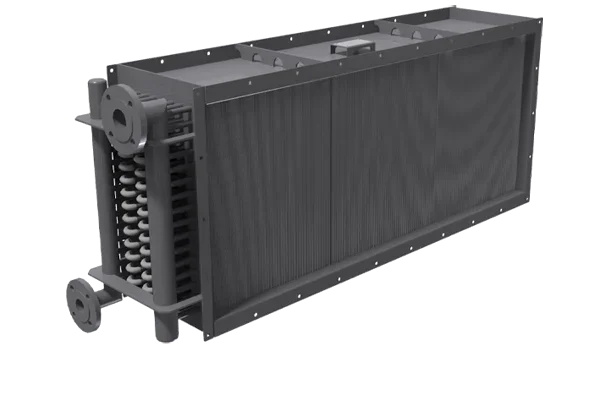
Finned heat exchanger
For heat transfer with air and gas flows.
Review productSwiss specialist since 1991
We size every unit for its medium, temperature, pressure and duty, from design to delivery.

Tübach, SwitzerlandSizing and design
300Projects per year
Over 11,000 m²Production area in the APL Group
1000Customers worldwide
Applications
Products
Select a heat exchanger type. If you are still unsure, the selector below will help you find your way.
For heat transfer with air and gas flows.
Review product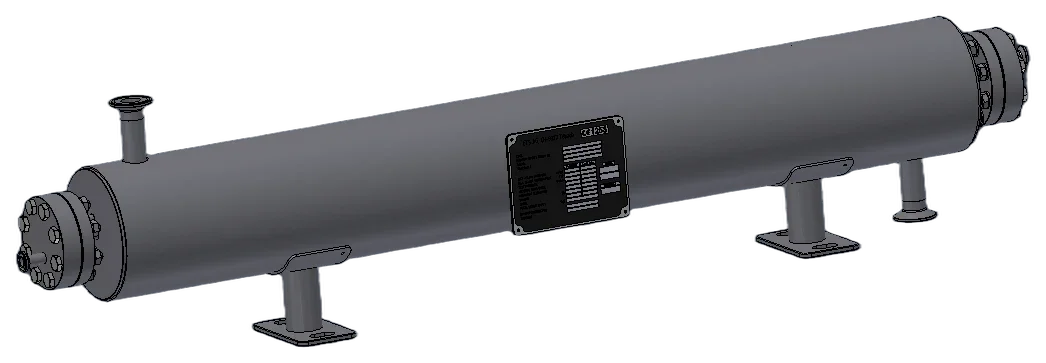
For liquids and gases, from vacuum to 800 bar, heat transfer surface 0.5 to 500 m².
Review product
Double tube sheet (DTS) for controlled separation of process product and cooling/heating medium. Product-contact surfaces can be specified with Ra ≤ 0.4 µm.
Review product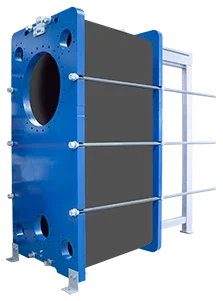
Compact heat exchanger type for liquid media and limited installation space.
Review product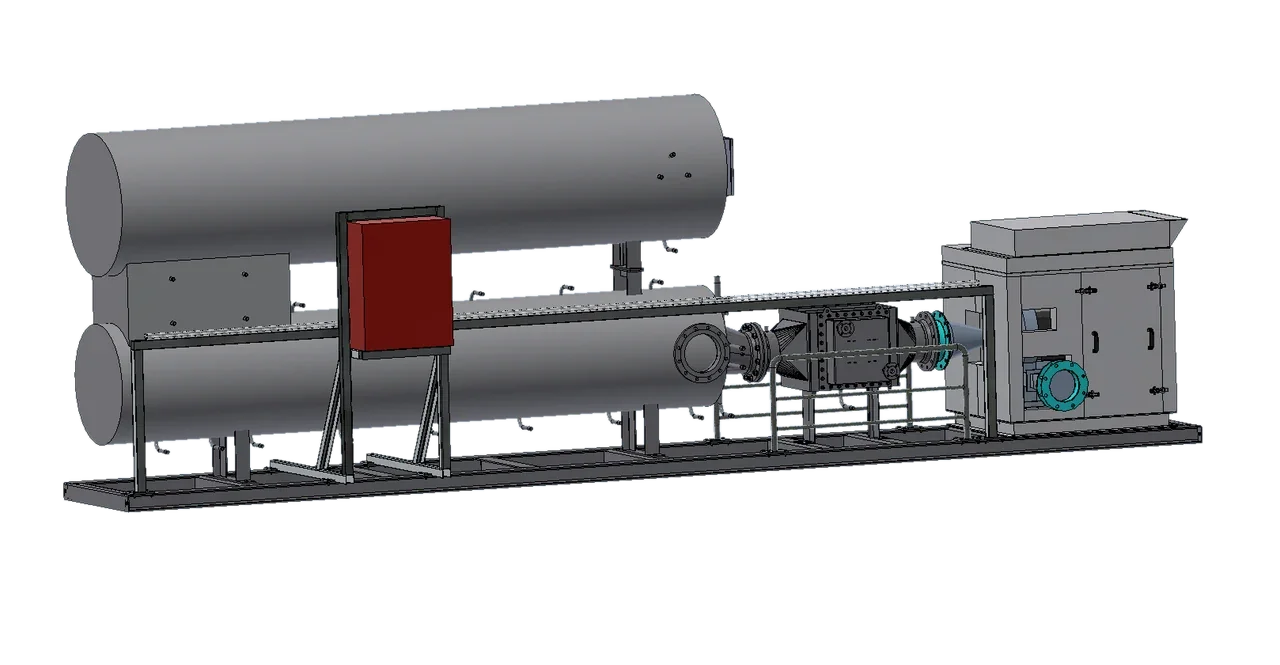
Custom combinations of the basic types: gas/gas, flue-gas, and coaxial heat exchangers.
Review productSelect the primary constraint. The result is a guide. The heat exchanger type is determined only after the technical review.
Project path
The exact process depends on the product, scope of inspection, and project requirements. These seven steps provide the shared framework.
Four phases
The medium, temperatures, pressure, and duty are reviewed. This narrows down the suitable heat exchanger type.
The scope of supply, documentation, and schedule are agreed. The order is then confirmed.
Materials, connections, and configuration are defined. Manufacturing and inspection follow within the APL Group.
The finished product is handed over with the agreed project documentation.
You send the available medium, temperature, pressure, and duty data.
ETS reviews constraints and technically narrows down the heat exchanger type and key project parameters.
Scope of supply, documentation, and next project steps are agreed.
You place the order – terms, schedule, and scope of supply are confirmed.
Materials, installation position, and expansion compensation are defined – for shell-and-tube units, for example as a U-tube, floating tube sheet, or expansion joint.
Manufacturing takes place within the APL Group network. The scope of inspection is defined in the quotation.
Handover includes the documentation agreed for the project.
ETS AG
ETS AG supplies units for cooling and heating liquids and gases in industrial and commercial applications. Materials and manufacturing are matched to the industry and the task: stainless steel and copper alloys as standard, titanium or Hastelloy for aggressive media. Customers value our technical advice and personal support.
Design and manufacturing for process engineering applications follow the project-specific codes and regulations, such as the Pressure Equipment Directive 2014/68/EU.
“ETS offers tailored solutions for your specific areas of application, always with a focus on quality and long-term service.”
ETS AG
Materials and manufacturing are matched to the industry and the task. Sizing and project management are based in Tübach; questions about your process conditions go directly to our engineering team.
ETS AG supplies units for cooling and heating liquids and gases in industrial and commercial applications. Materials and manufacturing are matched to the industry and the task: stainless steel and copper alloys as standard, titanium or Hastelloy for aggressive media. Customers value our technical advice and personal support.
Design and manufacturing for process engineering applications follow the project-specific codes and regulations, such as the Pressure Equipment Directive 2014/68/EU.
“ETS offers tailored solutions for your specific areas of application, always with a focus on quality and long-term service.”
Technical basis
Medium, inlet and outlet temperatures, pressure, and duty or flow rate.
Material, cleaning, installation space, maintenance access, and project-specific requirements.
Any existing specifications for the task. Product brochures for all four heat exchanger types and installation instructions are published.
Technical basis
Medium, inlet and outlet temperatures, pressure, and duty or flow rate.
Material, cleaning, installation space, maintenance access, and project-specific requirements.
Any existing specifications for the task. Product brochures for all four heat exchanger types and installation instructions are published.